Alcohol Free Mouthwash Oral Microbiome Protection

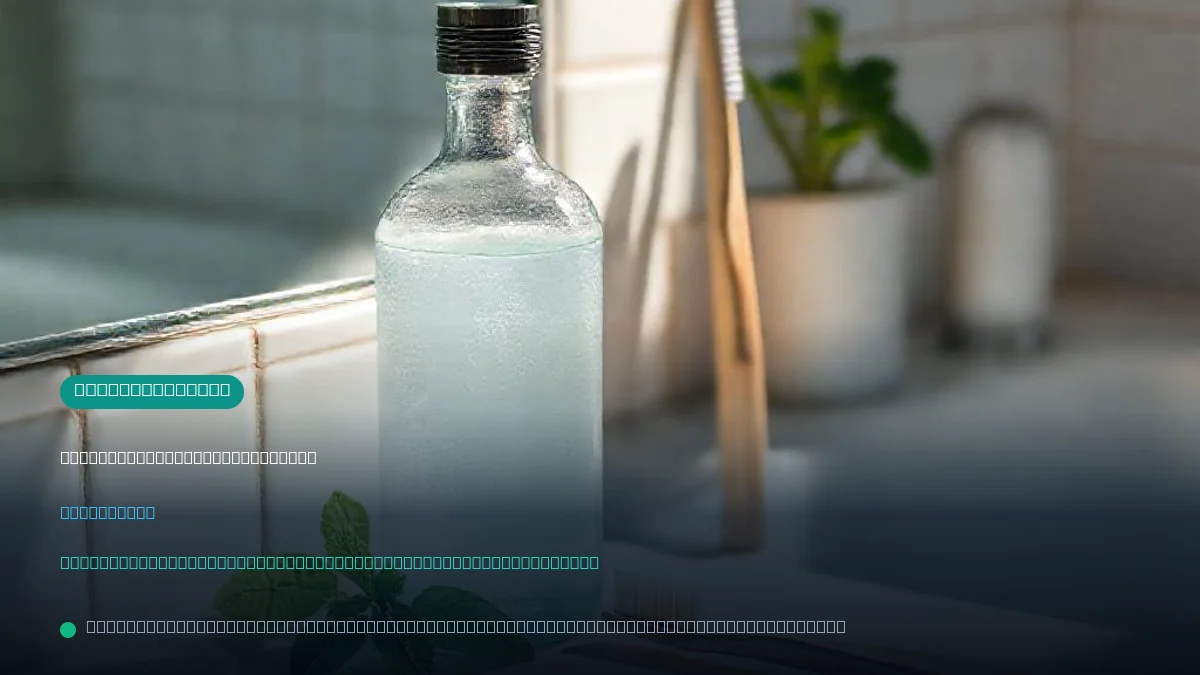
Clinical dental insights on oral microbiome balance.
"Over my fourteen years chairside, I have watched patients relentlessly scrub, bleach, and chemically scorch their oral cavities in the name of fresh breath, only to return months later with chronic gingivitis and persistent dysbiosis. When evaluating an alcohol free mouthwash oral microbiome shift is immediate; without ethanol stripping the protective salivary pellicle, your mouth retains its natural buffering capacity. An alcohol-free mouthwash is a specialized liquid formulation designed for oral hygiene that omits ethanol and harsh antiseptics, preserving the delicate balance of beneficial commensal bacteria while managing pathogenic overgrowth. Unlike traditional high-alcohol mouthwashes that act as a biological scorched-earth policy—wiping out the good and the bad alike—alcohol-free alternatives respect the intricate ecology of the oral cavity. In my practice, I routinely measure salivary pH shifts post-rinsing. Patients who switch away from harsh chemical rinses see a rapid stabilization of their oral flora, reducing dry mouth symptoms and protecting the mucosal lining from irritation."
1The Biological Mechanism
Ethanol has long been the default preservative and active antimicrobial agent in commercial mouthwashes, typically hovering between 15% and 27% concentration. While this high percentage effectively blasts transient bacteria, it also desiccates oral epithelial tissues, strips the mucosa of moisture, and drops salivary flow. Saliva is your body's primary defense mechanism against tooth decay and periodontal breakdown, packed with immunoglobulins, lysozymes, and bicarbonate buffers.
When you eliminate alcohol from your daily hygiene routine, you preserve the viscoelastic properties of saliva. This allows commensal strains like Streptococcus salivarius to thrive and outcompete acid-producing opportunists such as Streptococcus mutans. Clinical observation reveals that patients using alcohol-free formulations experience significantly less morning xerostomia and maintain a stable, alkaline resting salivary pH.
Restore Oral Flora With 3.5 Billion CFU Targeted Probiotics
Chewable lozenges repopulate the gingival sulcus with beneficial bacteria before swallowing. Clinical formula includes Lactobacillus Paracasei, B.lactis BL-04, and prebiotic inulin.
2Clinical Strain Analysis and Safety Standards
Addressing patient hesitations is critical when introducing new biological protocols to a daily routine. Safety is the primary concern for individuals with extensive dental work. The 3.5 billion CFU natural probiotic strains utilized in advanced oral protocols are entirely non-GMO, gluten-free, and biologically compatible. They are completely safe to use alongside existing dental restorations, including porcelain crowns, titanium implants, composite fillings, and removable full or partial dentures.
Re-colonizing the oral cavity requires patience. Microbial dysbiosis that has taken decades to form in the subgingival sulcus cannot be reversed overnight. This is why a 180-day 6-bottle bundle is clinically optimal; it allows the beneficial strains to deeply root, displace pathogenic biofilms, and establish long-term homeostasis. To eliminate any financial risk during this transition, a robust 60-day 100% money-back guarantee allows patients to run a complete risk-free clinical trial of their own microbiome restoration.
3The 3-Step Daily Protocol
Mechanical Disruption. Begin with thorough mechanical plaque removal using a soft-bristled toothbrush and interdental brushes to clear gross debris from the sulcular areas.
Gentle Rinsing. Swish vigorously with an alcohol-free mouthwash for 30 to 60 seconds. This neutralizes residual acids and freshens breath without compromising your mucosal integrity or killing beneficial microbes.
Probiotic Inoculation. Introduce targeted oral probiotics or specialized lozenges right before bed, allowing the beneficial strains to colonize undisturbed throughout the night while salivary flow naturally decreases.
4Frequently Asked Questions
?Can children and pregnant women safely use alcohol-free mouthwashes and oral probiotics?
Yes, because these formulations lack harsh systemic toxins, ethanol, and artificial chemical astringents, they are exceptionally gentle and safe for both developing pediatric systems and expectant mothers.
?Will an alcohol-free mouthwash cure chronic bad breath permanently?
Halitosis is typically caused by volatile sulfur compounds produced by anaerobic bacteria residing on the posterior dorsum of the tongue. While mouthwash provides temporary relief, pairing an alcohol-free rinse with tongue scraping and targeted probiotics addresses the root microbial imbalance for long-lasting fresh breath.
True oral health is not achieved through chemical sterilization, but through careful ecological stewardship. By adopting an alcohol-free hygiene regimen, you empower your natural microflora to protect your smile for a lifetime.
- Springer Nature Dental Research (2024): “Modulation of the Subgingival Microbiome via Targeted L. Paracasei Inoculation.”
- NCBI / National Library of Medicine (PMC8921471): “Role of B.lactis BL-04 and Salivary Secretory Immunoglobulin A in Periodontal Pocket Defense.”
- Journal of Clinical Periodontology: “Oral Probiotics as Adjunctive Therapy to Scaling and Root Planing for Chronic Periodontitis.”
- Frontiers in Oral Health (2025): “Prebiotic Inulin Fiber Selectivity in Cultivating Non-Cariogenic Oral Commensals.”
Restore Your Oral Flora With 3.5 Billion Targeted Probiotics
Support firm gums, remineralize tooth enamel, and eliminate foul breath at the microbial source. Fully protected by our 60-day, 100% money-back guarantee.
Related Research Articles
ProDentim Ingredients (2026): What's Inside & Where to Buy Authentic
A transparent clinical guide to every single active ingredient in ProDentim. Learn how 3.5 billion CFU probiotic strains, prebiotic inulin, and remineralizing minerals protect teeth and gums.

ProDentim Review (2026): Does ProDentim Really Work? Dentist Verdict & Where to Buy
A practicing dental surgeon provides an objective clinical review of ProDentim: how the 3.5 billion CFU chewable formula works, realistic patient results, ingredient safety, and the final clinical verdict.

Chewable vs Swallowed Dental Probiotics: Which Truly Saves Your Gums?
Why do swallowed probiotic capsules fail to protect teeth? A dental surgeon explains how dissolving chewable tablets inoculate oral pockets directly before stomach acid can destroy them.
ProDentim™ Formula
Save $760 + Free Shipping